Journey to Komodo
Getting There Is Half the Adventure
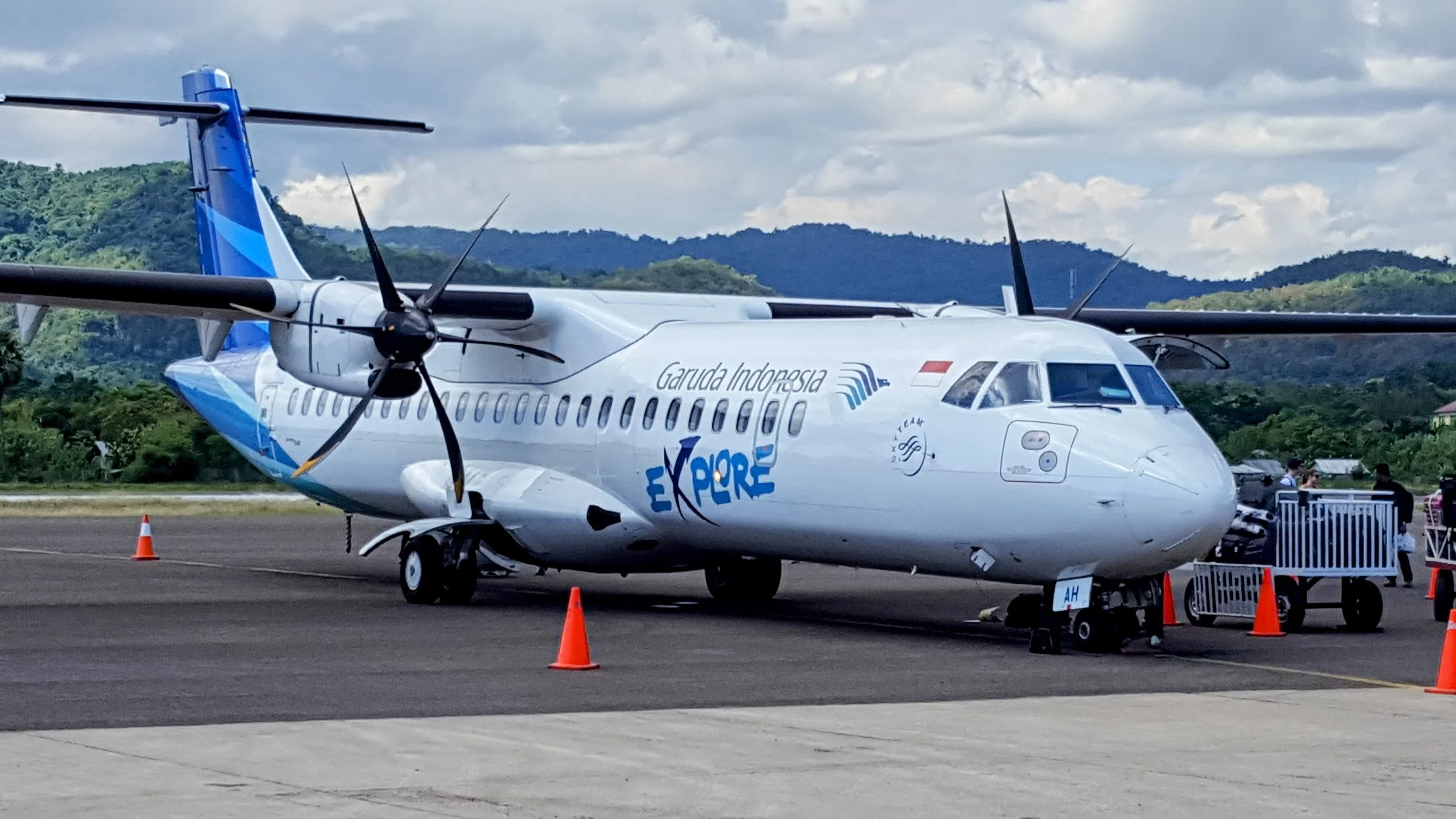
My journey to Komodo Island began with a short flight from Bali on a small Garuda Indonesia airplane headed east to the town of Labuan Bajo on the island of Flores.
The small plane was full of travelers headed for Komodo. Many carried dive bags and camera equipment, and the mood on board felt a little like the start of an expedition. Some were divers planning to explore the reefs around the islands, while others were coming for the same reason I was — to see the famous Komodo dragons.
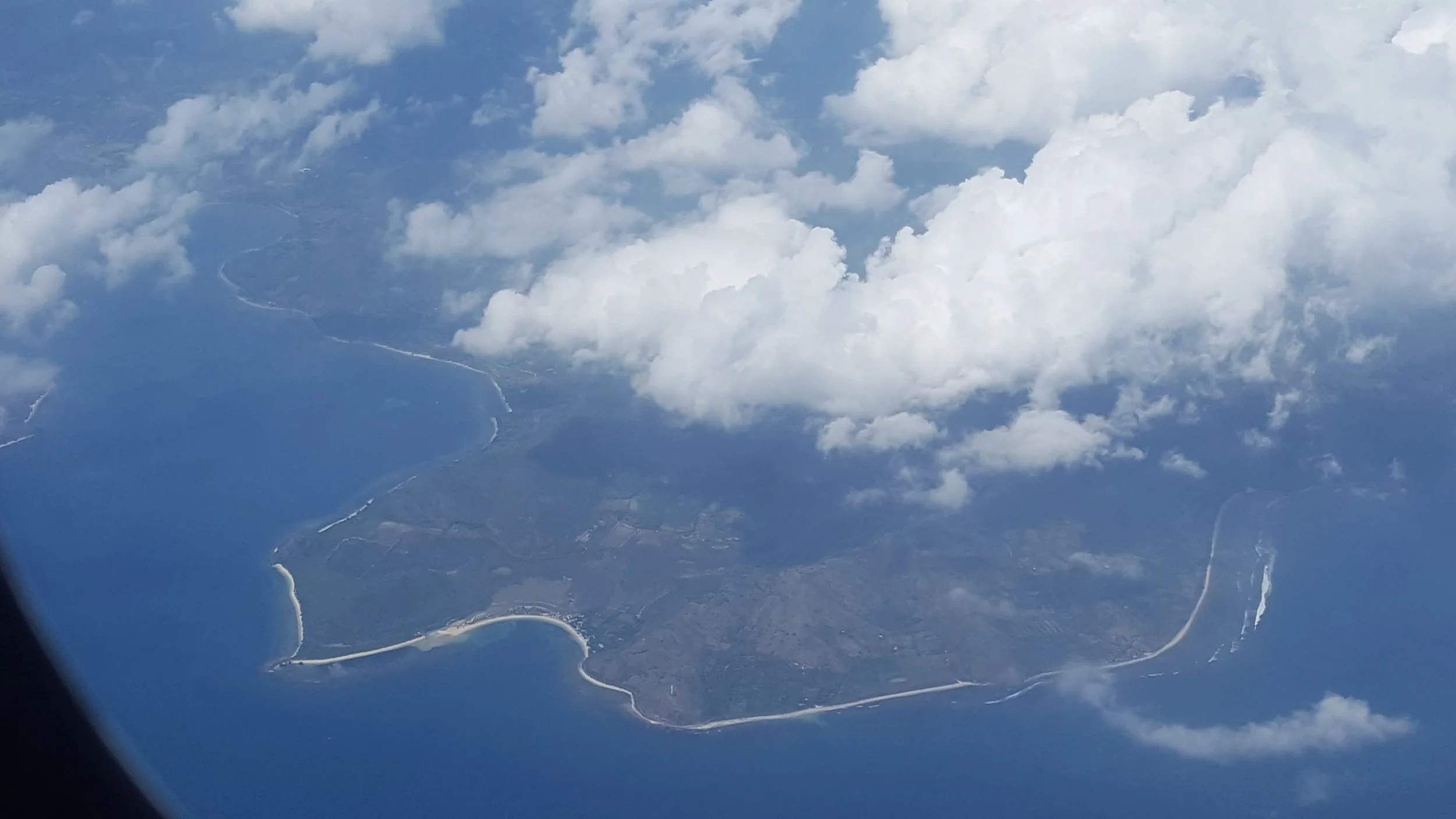
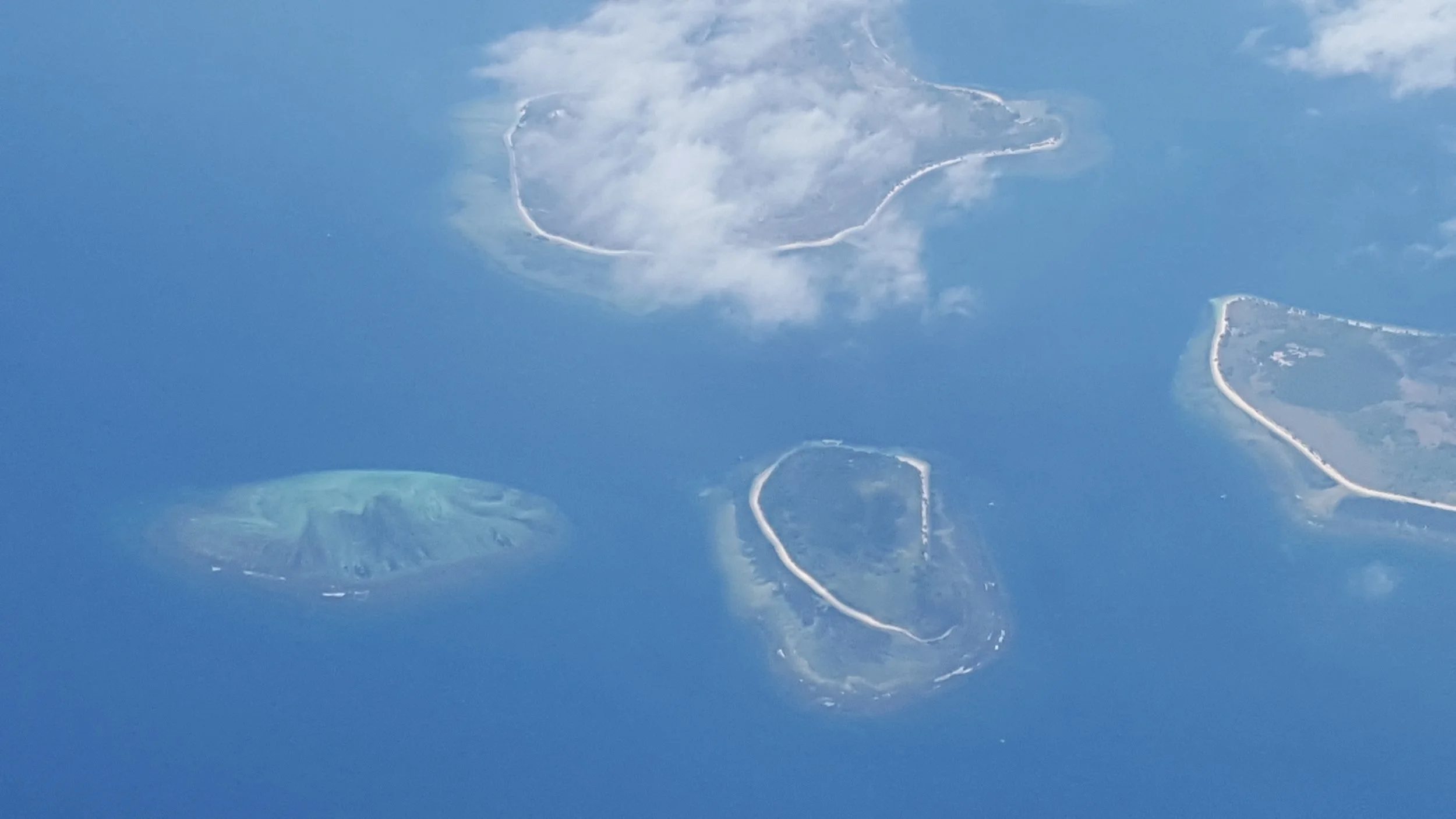
As the plane continued east, the view from my window became more spectacular. Small islands appeared below, surrounded by bright turquoise water and narrow stretches of white sand beaches. From the air the islands looked almost untouched, scattered across the sea like stepping stones.
My destination was the small harbor town of Labuan Bajo on the island of Flores, the gateway to Komodo National Park.
At that moment it felt like a routine regional flight.
Getting there turned out to be an adventure in itself.
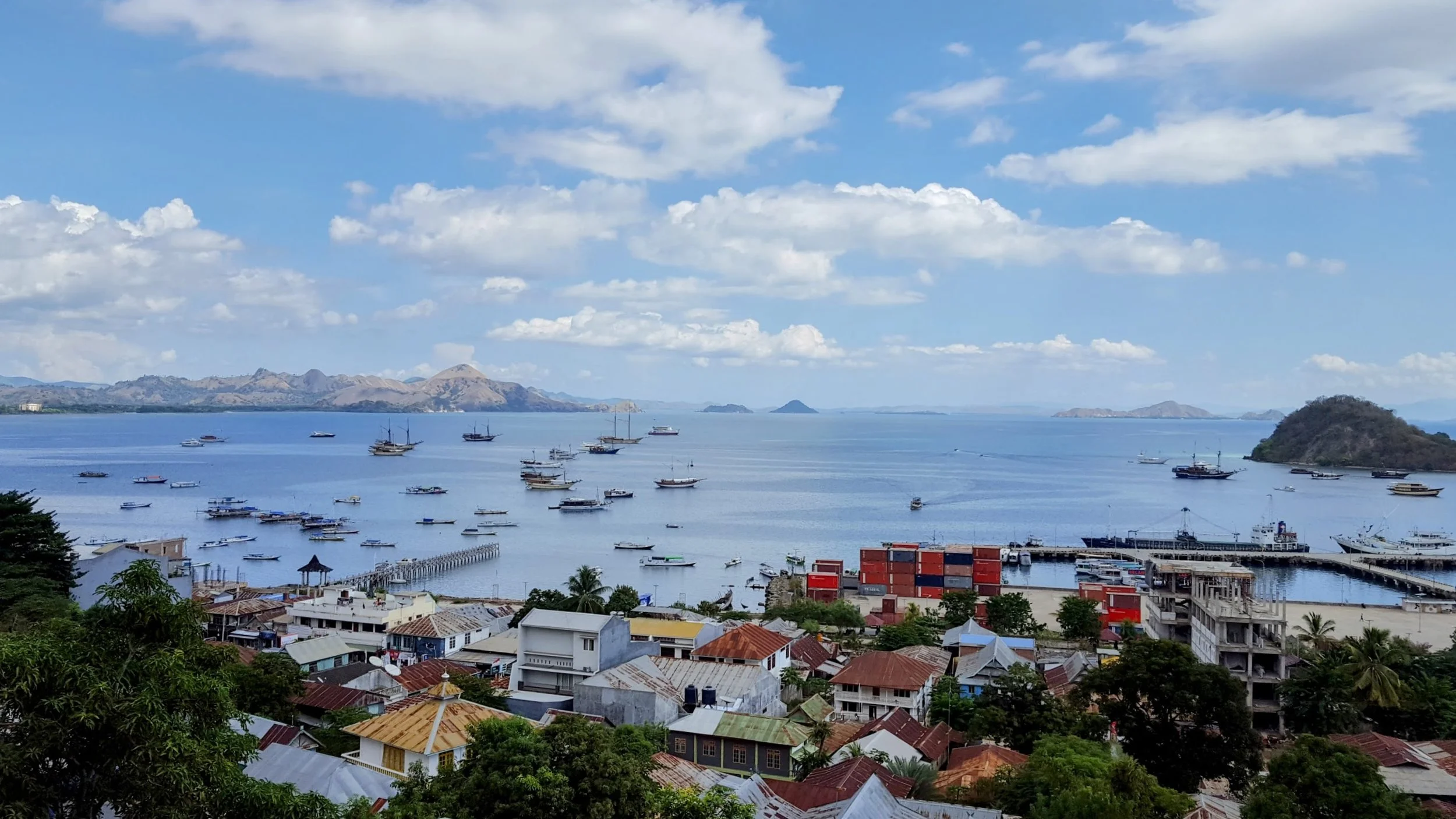
Labuan Bajo
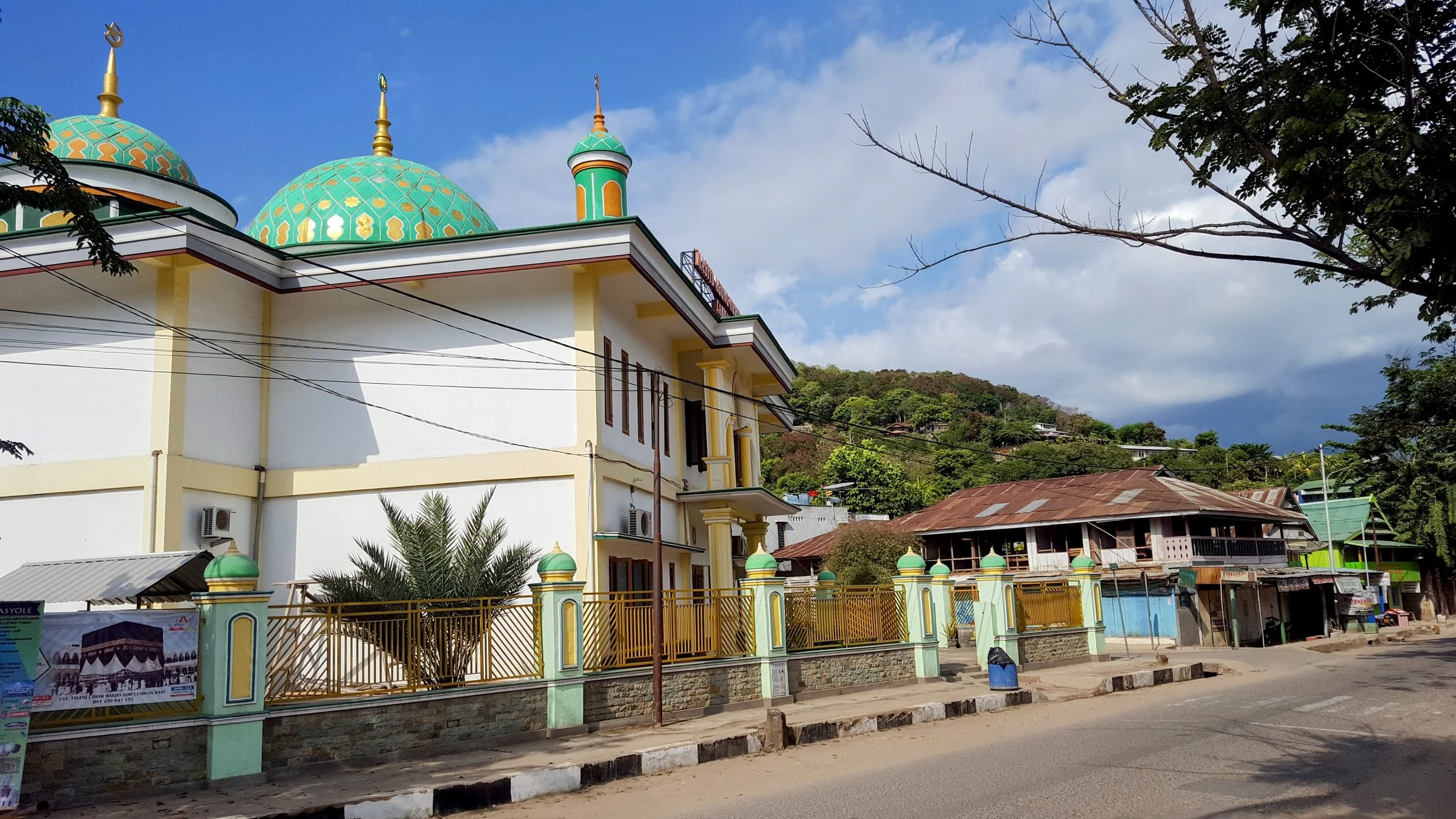
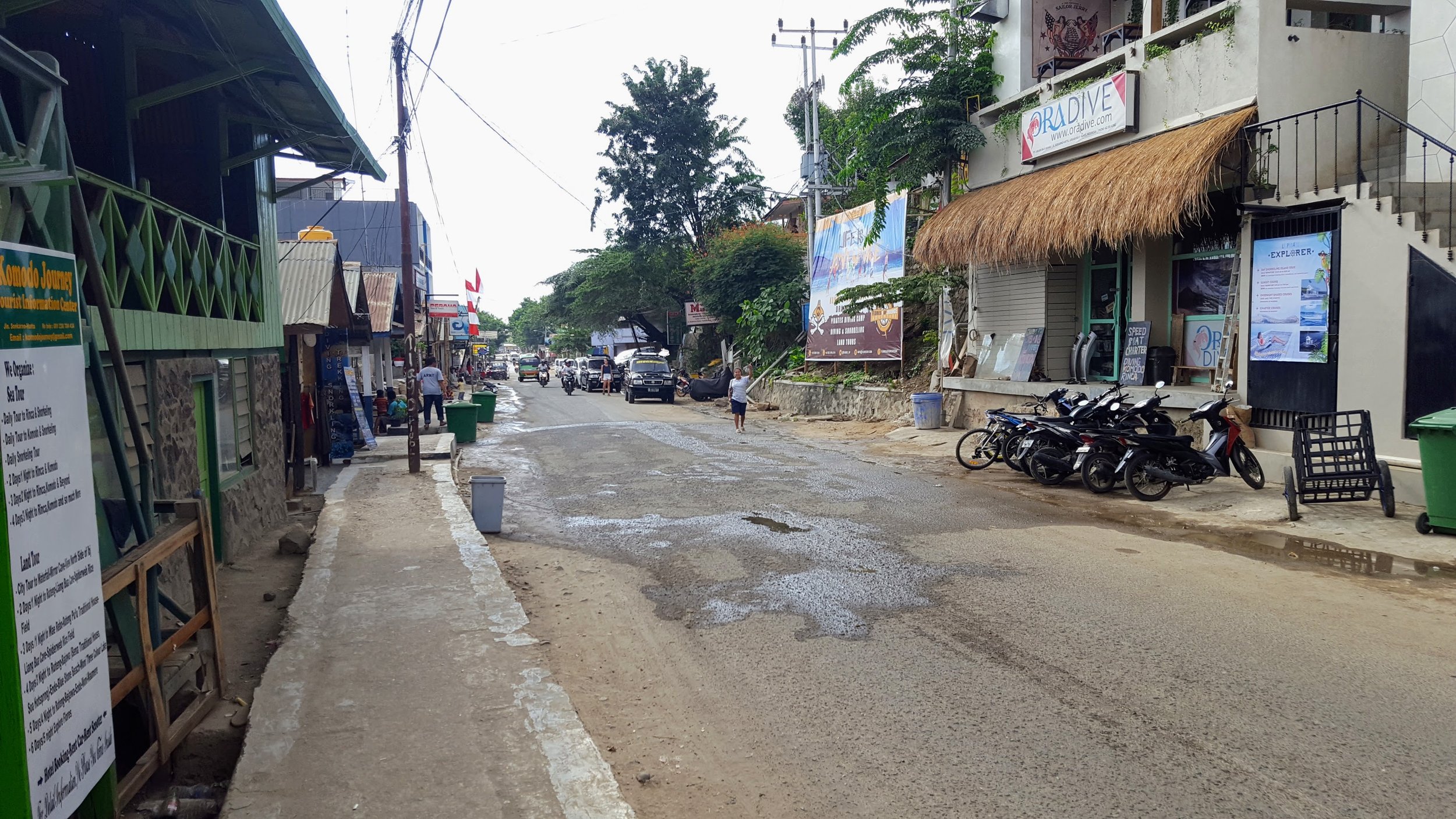
The plane landed in Labuan Bajo, a small port town on the western end of Flores Island that serves as the gateway to Komodo National Park. At the time of my visit it was still a very simple place — just a handful of streets along the harbor, with fishing boats and tour vessels tied up at the docks.
There was no real public transportation, no taxis, no busses and only a couple of small hotels and restaurants. A mosque near the center of town broadcast the call to prayer several times a day, beginning early in the morning— a reminder that this remote corner of Indonesia still moved at its own quiet pace.
Most visitors came here for one of two reasons: to see the famous Komodo dragons or to explore the world-class diving and snorkeling found in the surrounding waters.
I had come for the dragons, but the snorkeling in these waters would turn out to be memorable as well.
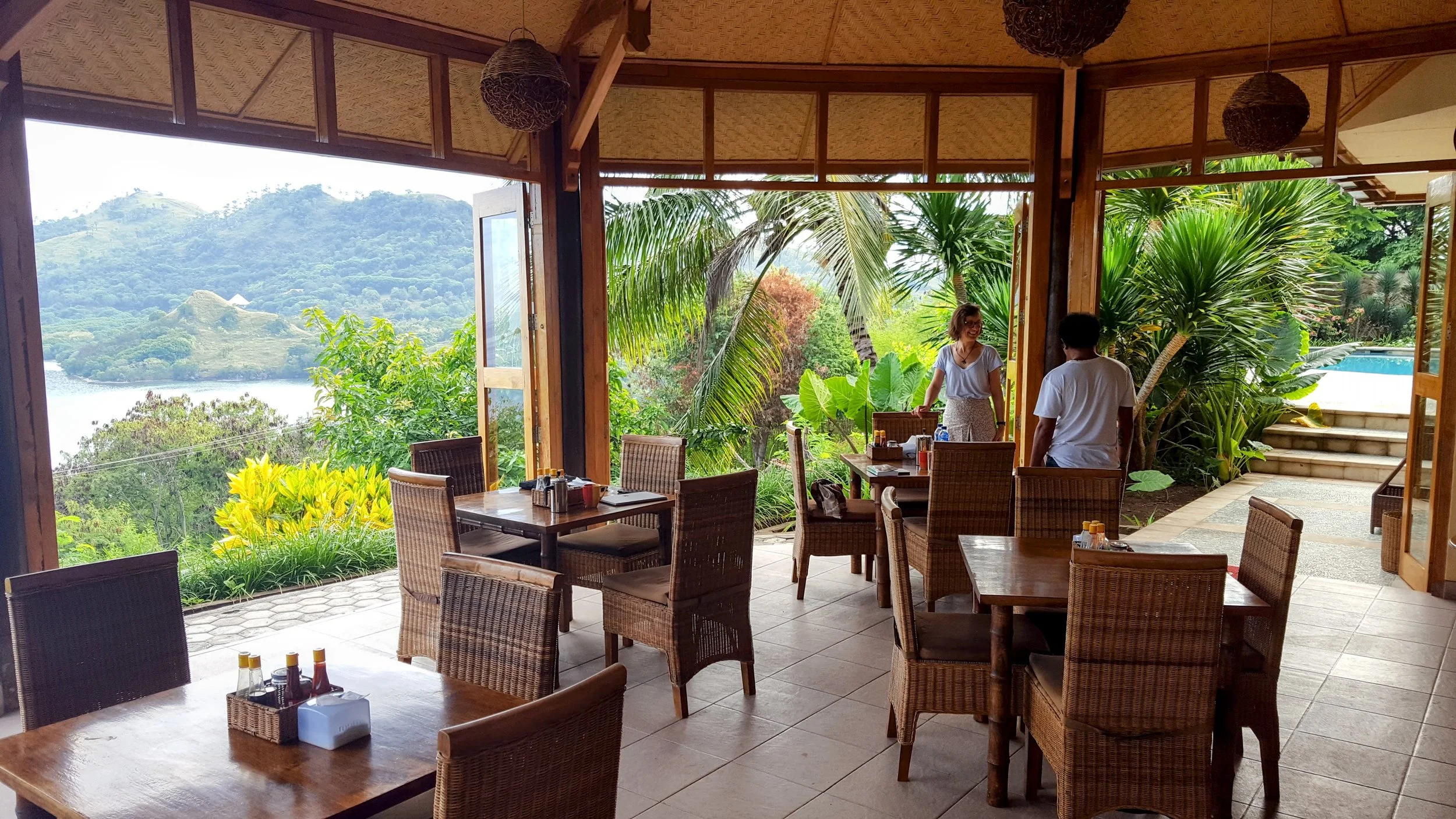
Golo Hilltop Hotel, dining and reception area
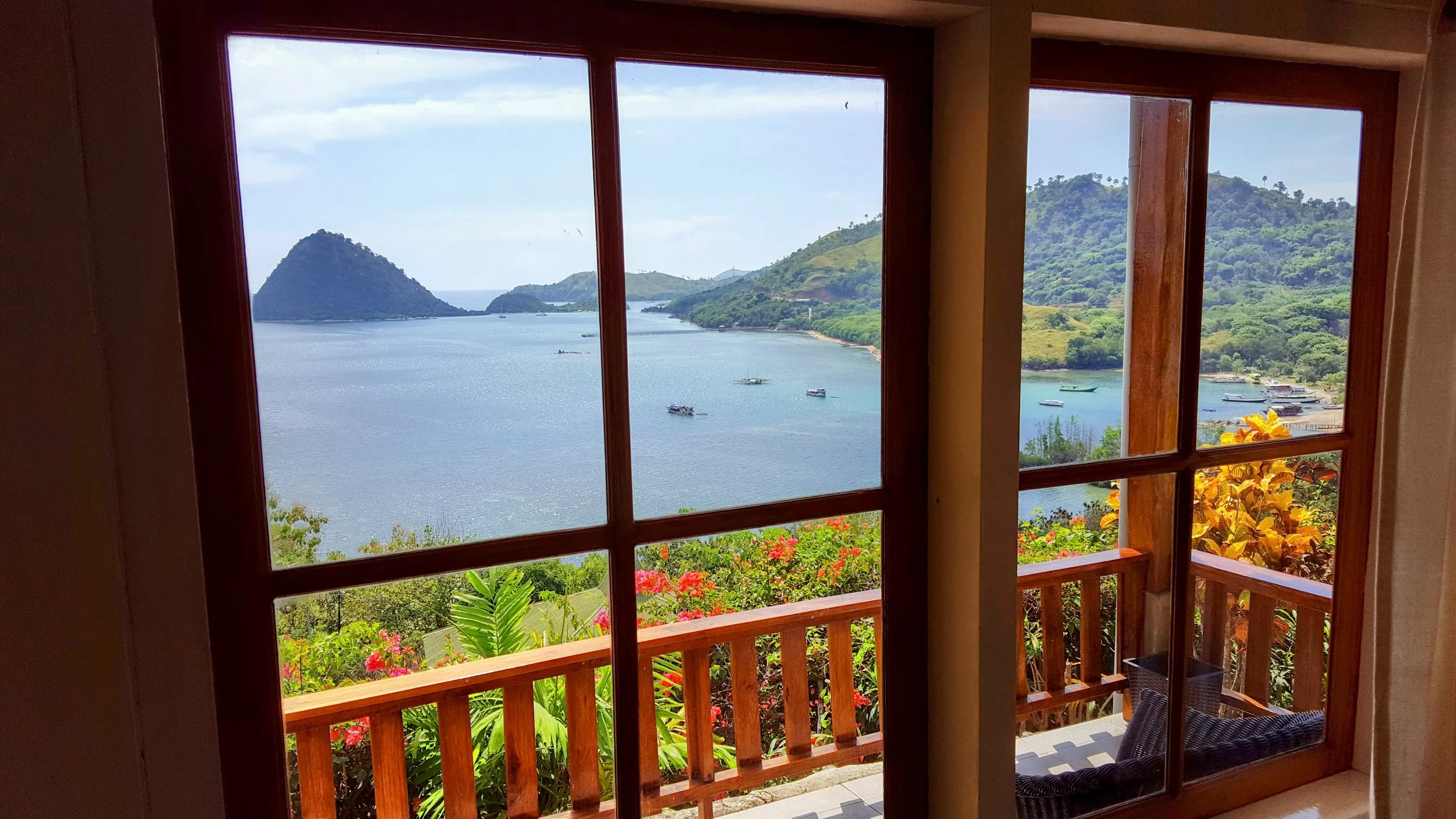
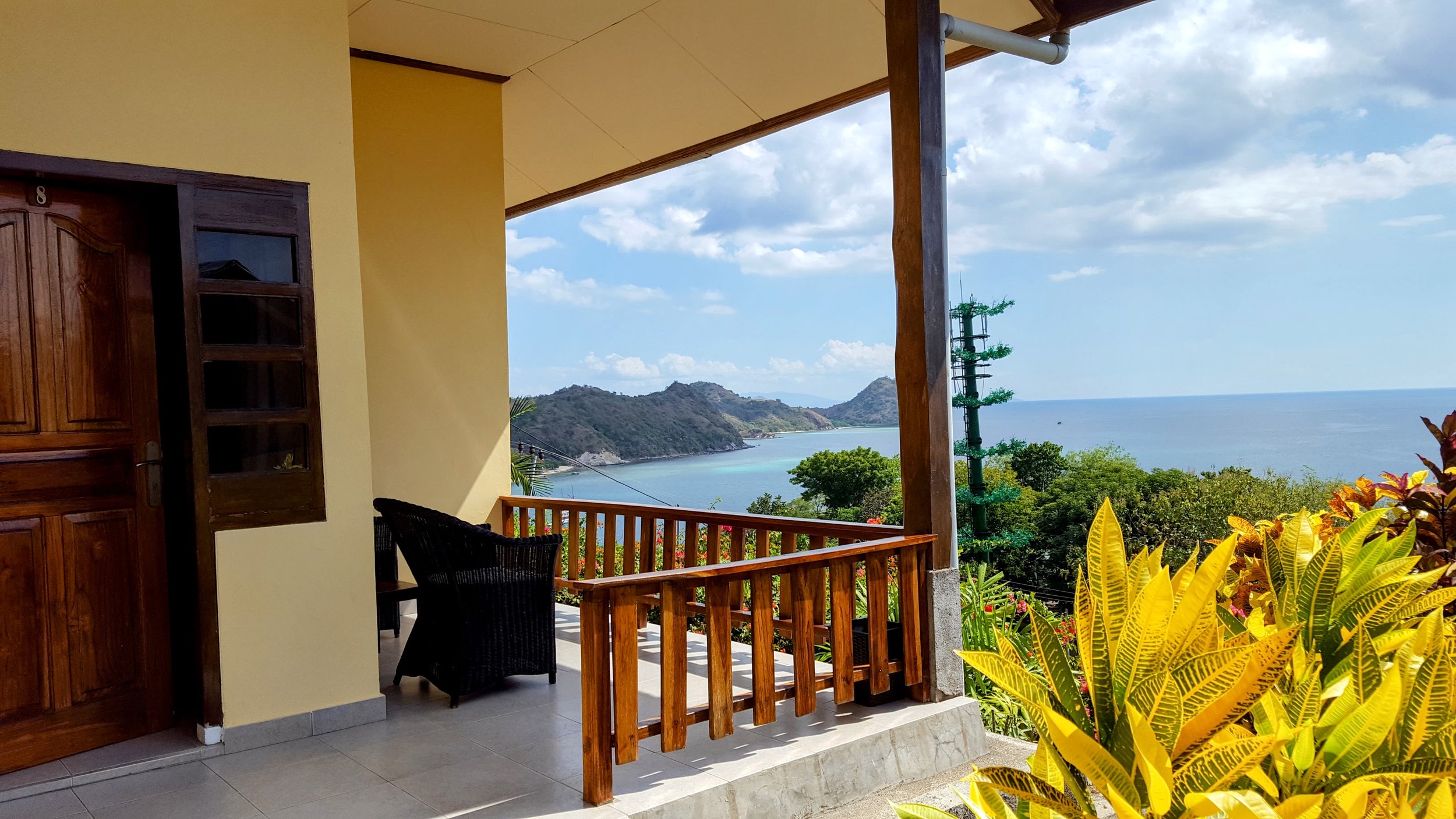
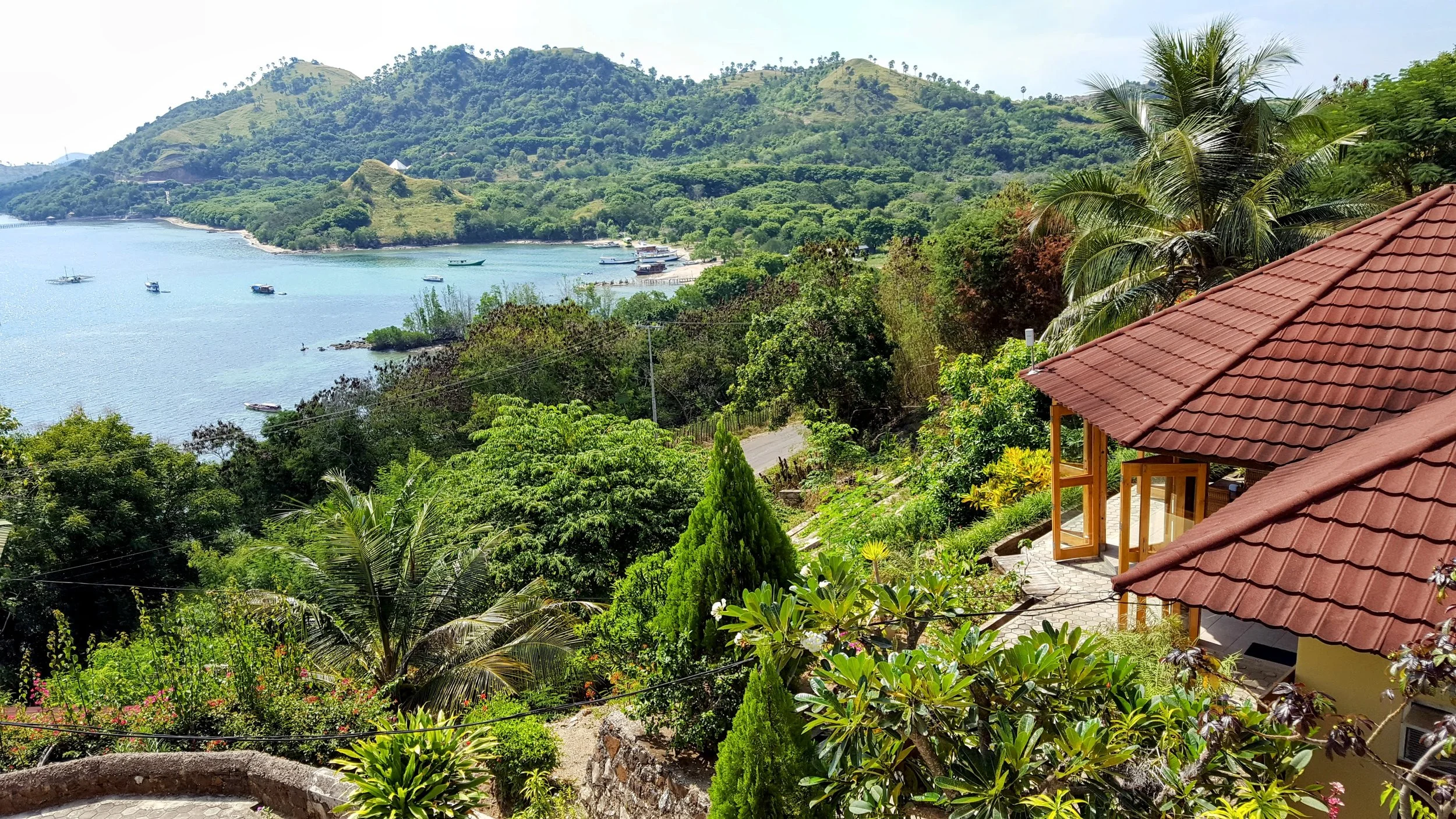
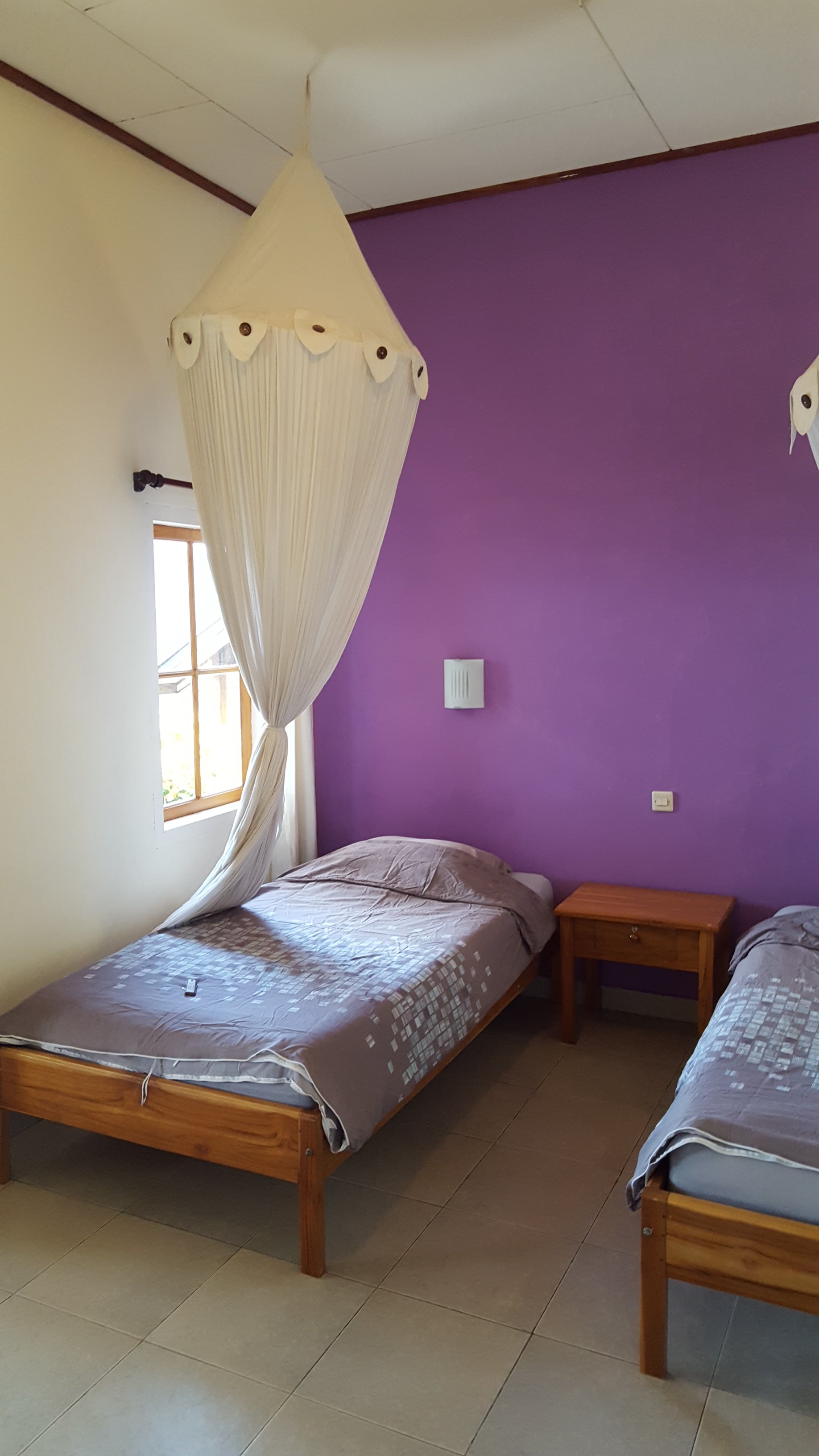
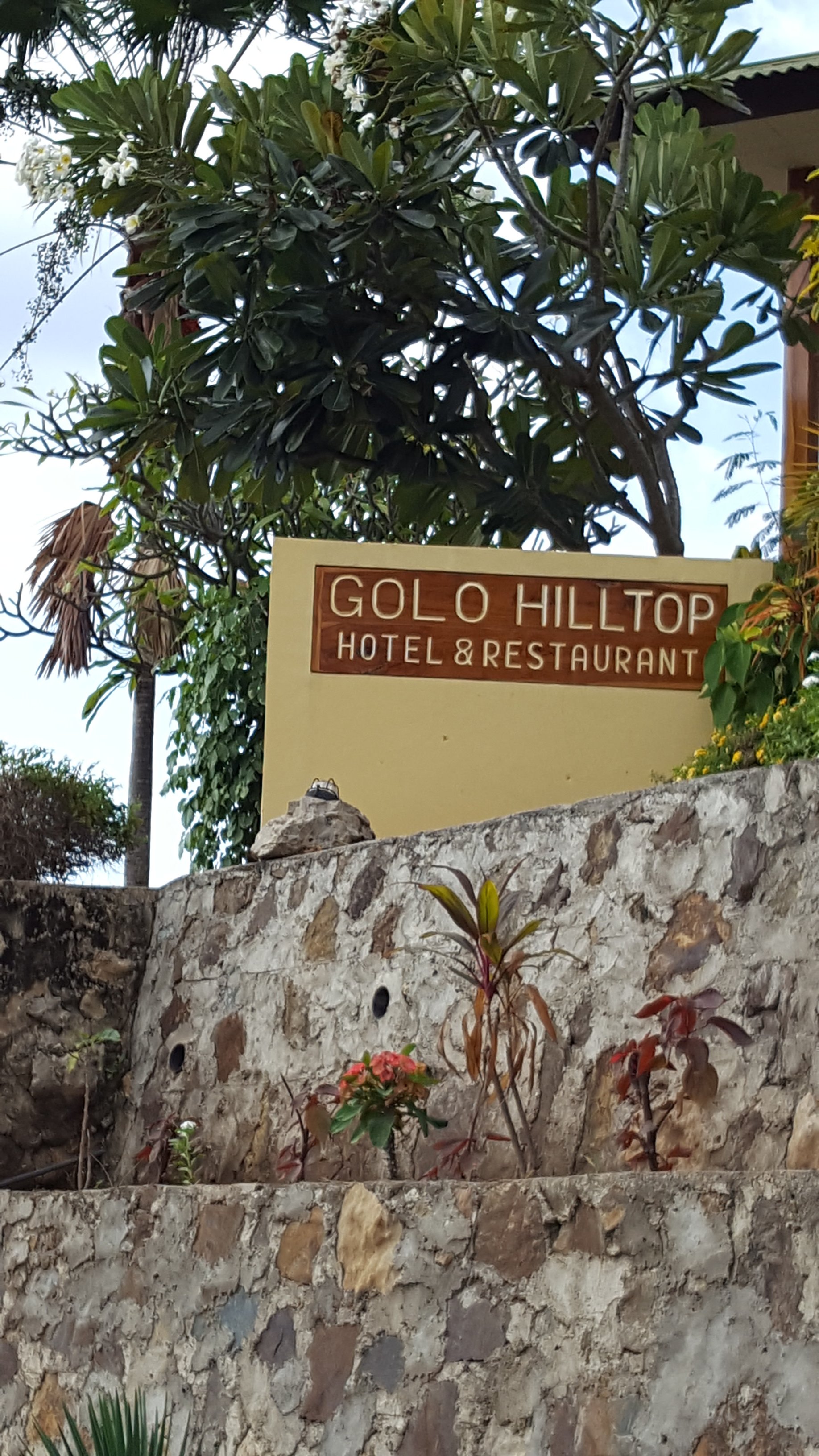
I stayed at a small hillside hotel overlooking the bay in Labuan Bajo. The property consisted of individual and duplex bungalow rooms scattered along the slope, each with views out across the harbor and the surrounding islands.
At the center of the property was the reception and dining pavilion, an open-air structure designed to catch the sea breeze. Most of the time it remained open to the outside, though large folding doors could be closed if the weather turned rough.
My room was simple but comfortable, with distinctive purple walls and a bed draped in mosquito netting. From the balcony I could look down across the harbor toward the islands of Komodo National Park.
Even today the hotel remains remarkably affordable — rooms currently run about $37 per night.
The next morning I headed down to the harbor to begin the trip that had brought me here — a small boat journey out into Komodo National Park.
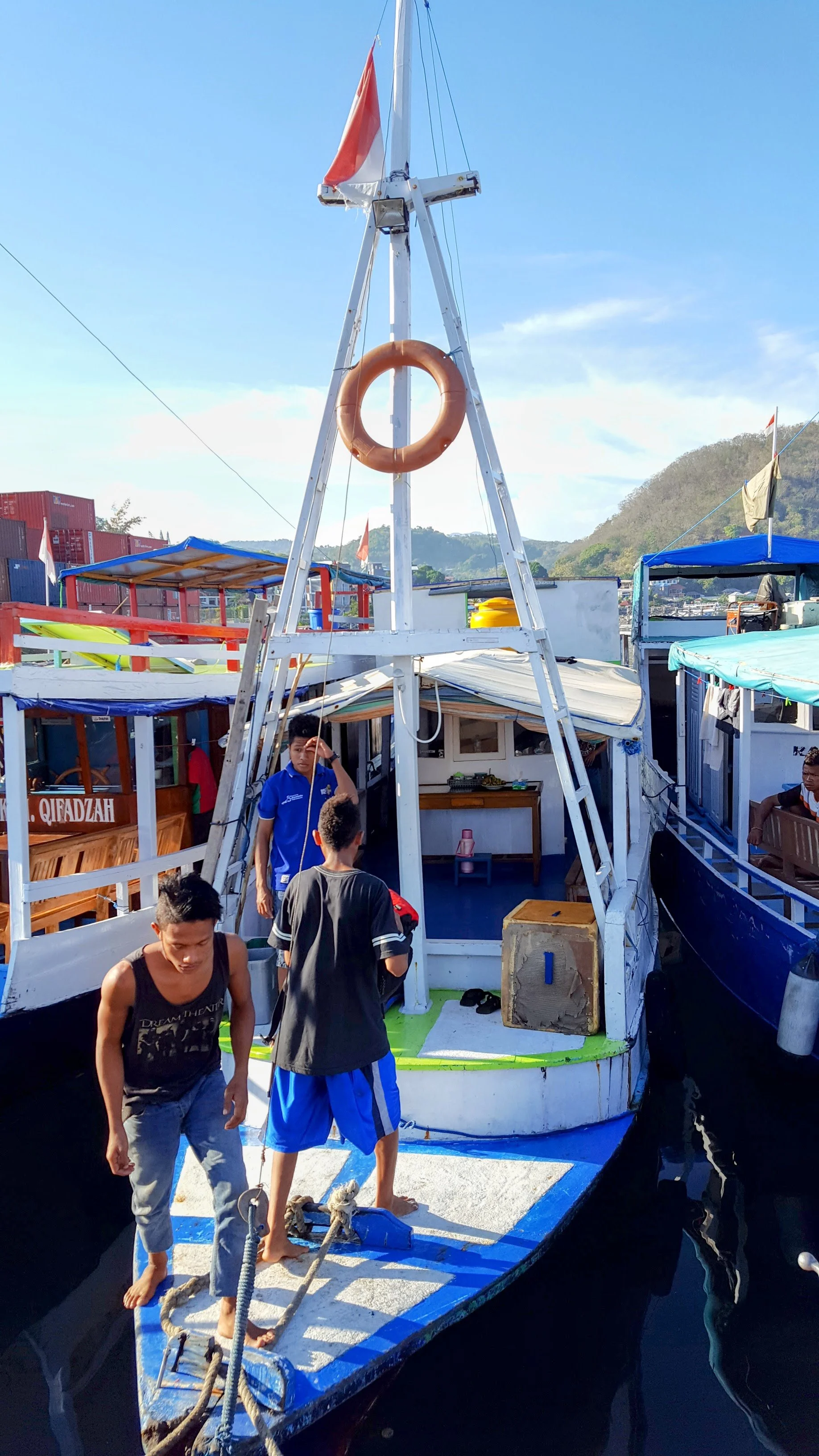
This is my home for the next couple of days. The captain in front.
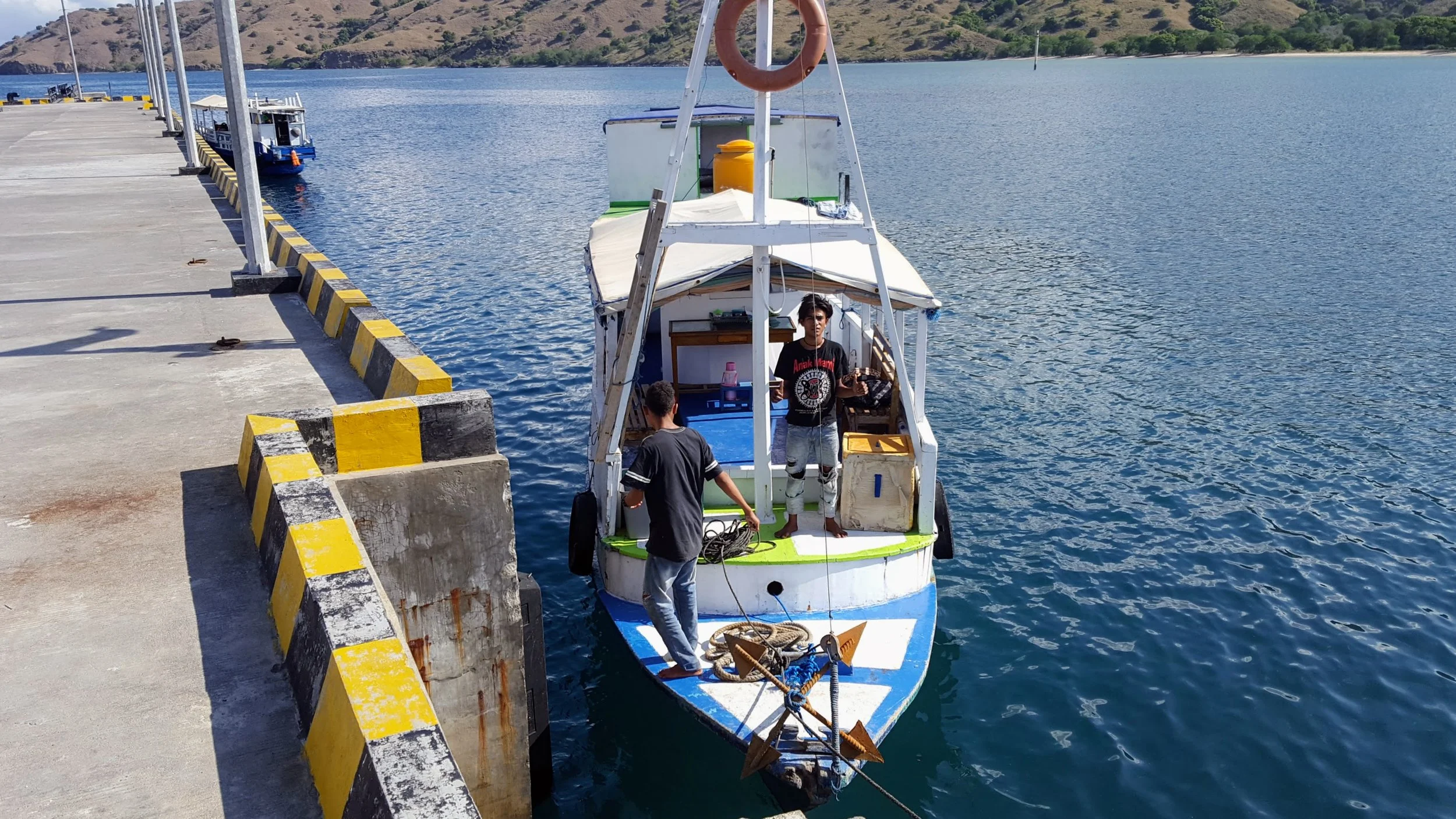
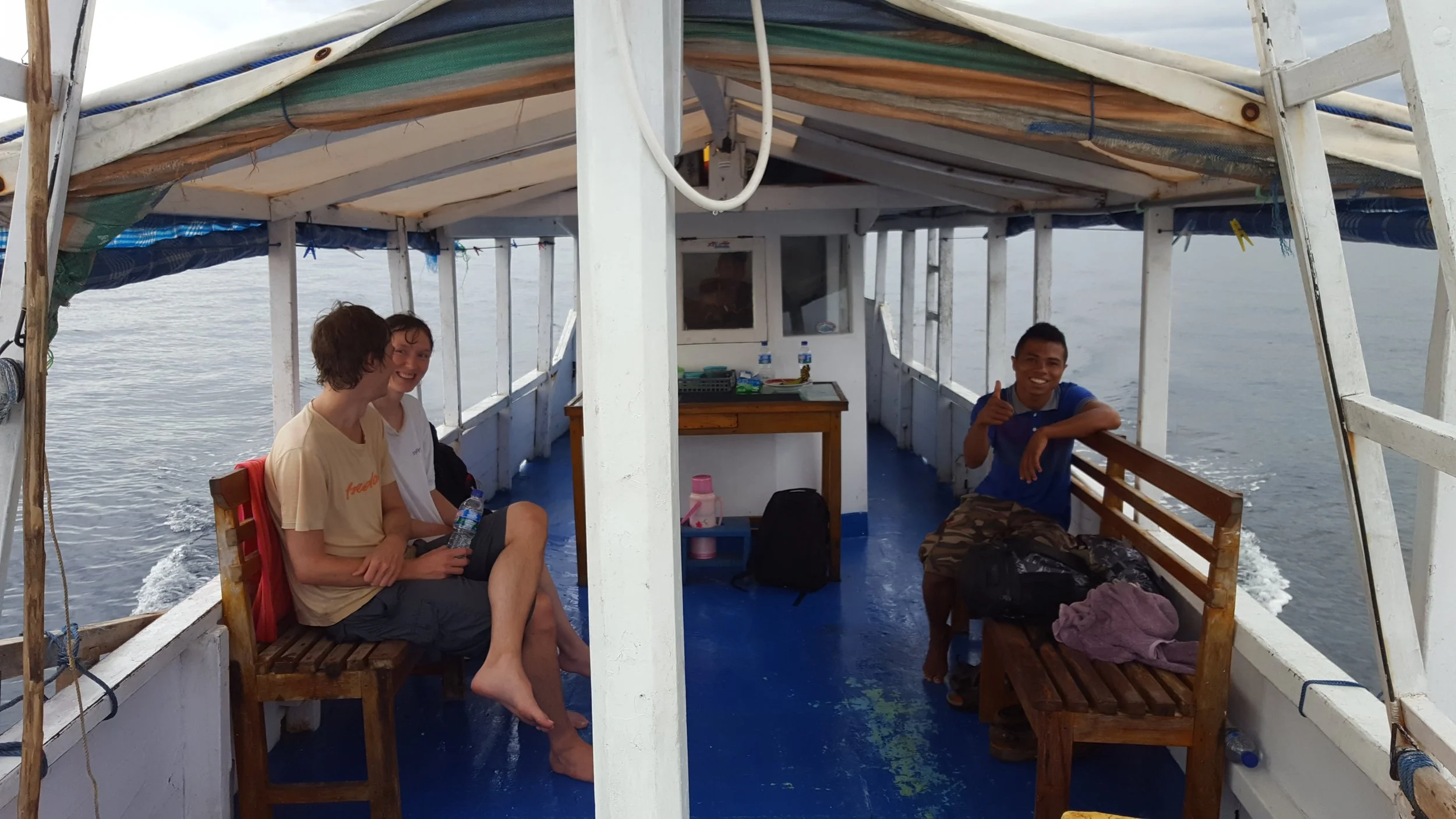
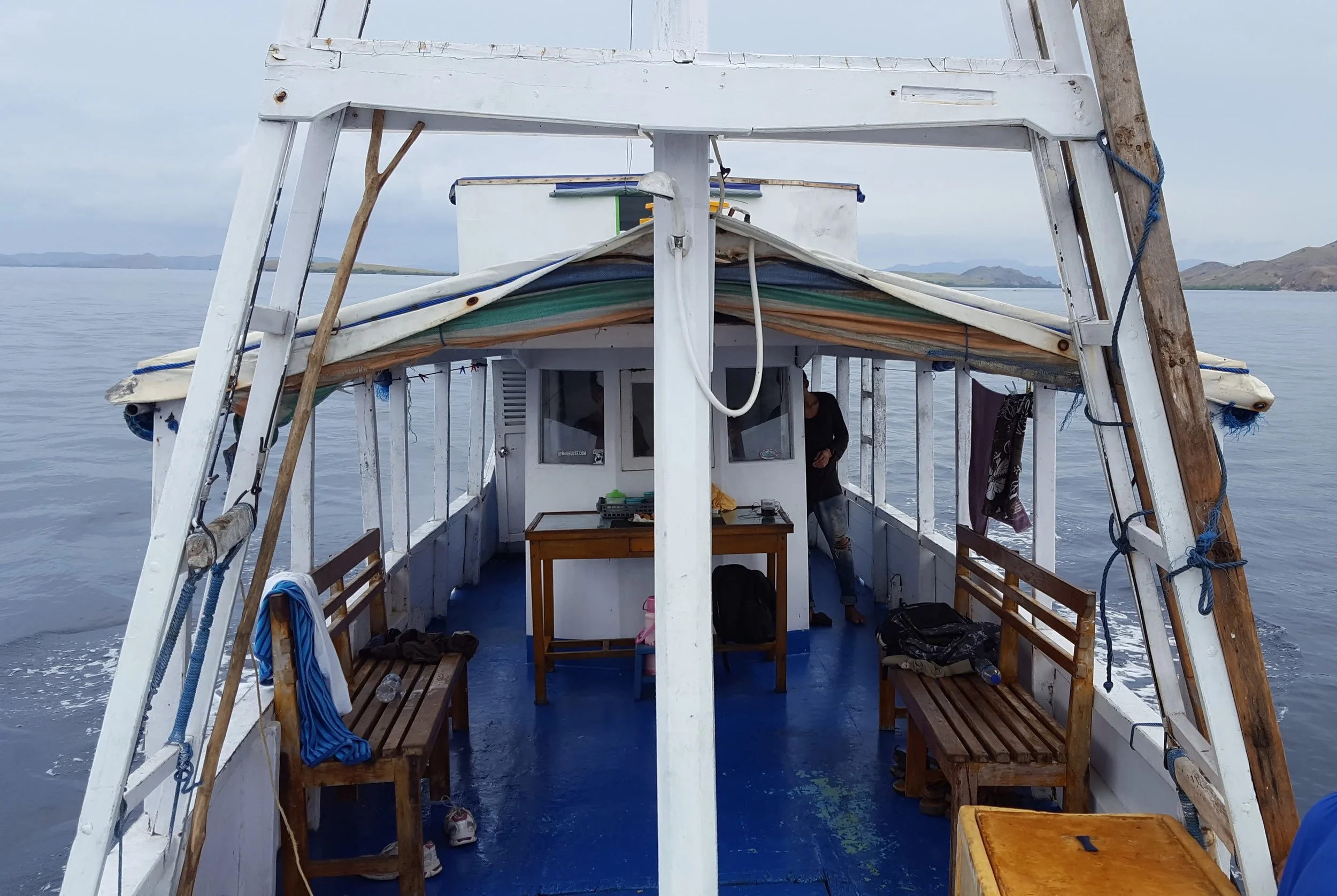
Waiting at the dock was the boat that would take me to Komodo. Compared with the larger ferries and tour vessels tied up along the waterfront, it was small and simple — more like a working island boat than a typical tourist excursion.
The crew turned out to be even more surprising. The captain was just nineteen years old, and his deckhand was seventeen. Despite their age, they moved around the boat with the quiet confidence of people who had clearly grown up on the water.
Two other passengers were joining the trip — a newly married couple from Germany. They spoke little English and no Indonesian, so conversation was mostly smiles and gestures as we prepared to leave the harbor together.
With supplies loaded and passengers aboard, the lines were cast off and we eased away from the docks of Labuan Bajo. Ahead of us lay the scattered islands of Komodo National Park.
As the boat moved deeper into the islands, the landscape became more rugged and remote. The long journey from Bali had brought me to one of the most unusual corners of Indonesia..
But the real reason for coming here still lay ahead — walking among the largest lizards on Earth.
That part of the adventure begins in the next story.
Next Story…
